Create your own ecommerce website and start selling successfully with ShopWired today


7 Best UGC Examples and Tips for Ecommerce Stores
When someone’s deciding what to buy, they tend to trust people like them more than they trust a brand. That’s what makes user-generated content so powerful.
Whether it’s a tagged photo on Instagram, a written review or a homemade unboxing video — UGC builds confidence. It makes your product feel real. It shows someone else bought it and enjoyed using it.
For ecommerce stores, user-generated content is one of the most persuasive forms of content available. And in 2025, it’s easier than ever to find, collect and use it.
In this guide, we’ll look at what UGC really is, the types that work best for online businesses and seven great real-world examples. We’ll also give some top tips you can actually apply to your own store.
Table of Contents
- What is User-Generated Content (UGC)?
- Different Types of UGC
- How to Collect UGC
- 7 Top UGC Examples from Brands
- GoPro – Letting the Product Create the Content
- Dunelm – Bringing Products to Life with Customer Photos
- Gymshark – Building a UGC Loop with Community
- Hatsukoi – Turning Kind Words Into Social Proof
- Estrid – Featuring Real Users on the Product Page
- Rhode – Building Buzz Through Influencer Marketing
- CREATE – Showcasing Real Unboxings on Their Website
- How to Use UGC in Your Marketing
- Final Thoughts
What is User-Generated Content (UGC)?
User-generated content is exactly what it sounds like — content created by your customers, not your marketing team. That could be a photo shared on Instagram, a five-star review on your product page, a quick TikTok showing the unboxing experience or a casual shoutout in someone’s story.
It’s not polished. It’s not scripted. And that’s the point.
What makes UGC so valuable is that it feels real. It shows your product out in the world being used, shared or shown off by real people. It helps new customers picture themselves doing the same. And when someone sees a genuine review or photo from another buyer, it gives them something brand content can’t always deliver: confidence.
You’re not telling people how great your product is. Your customers are doing it for you. This gives your brand a more human voice without you needing to create all the content yourself.
Perfect!
Different Types of UGC
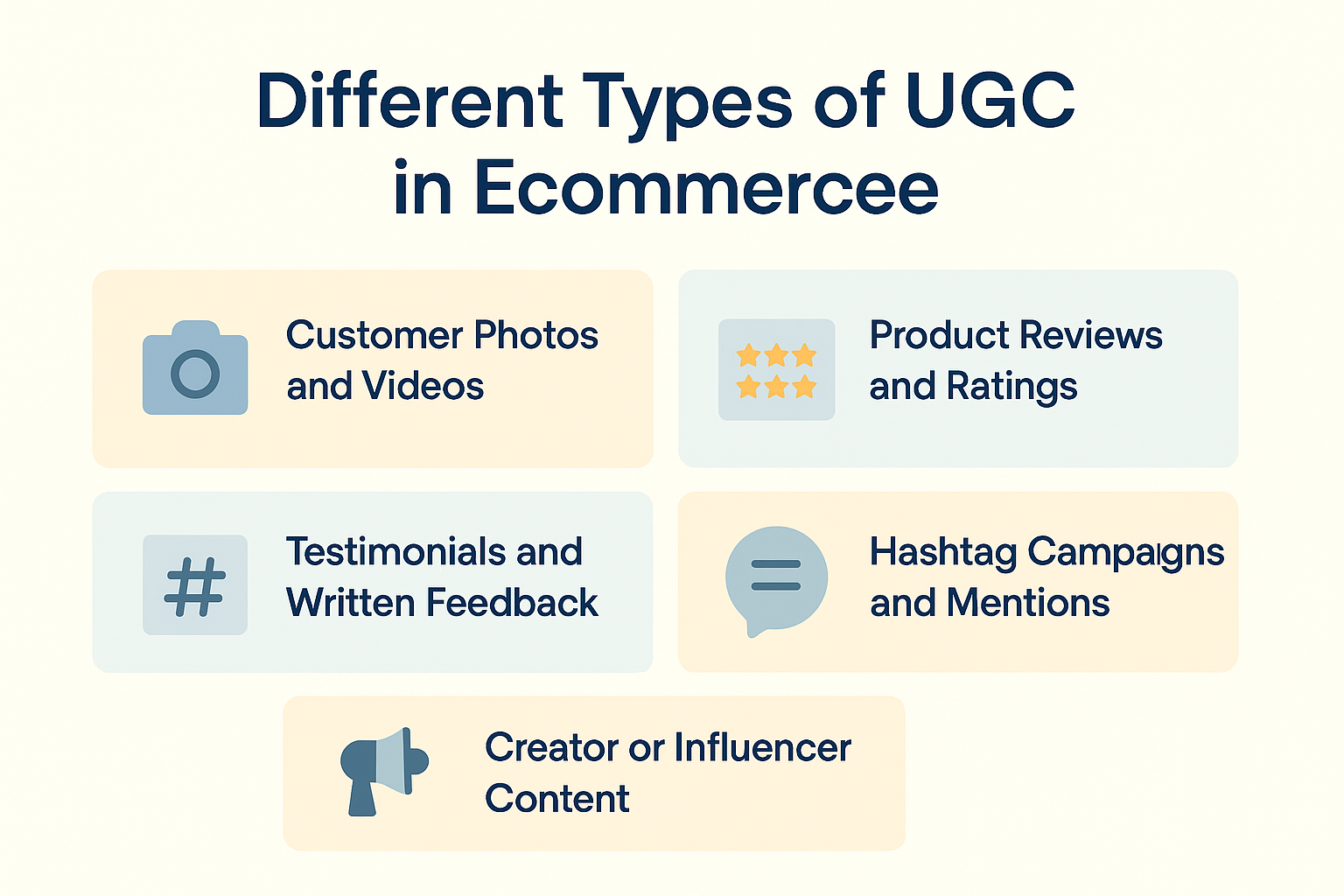
UGC can show up in lots of ways across your store and social channels. The key is knowing how to spot it,encourage it and use it to your advantage.
Here are some of the most common (and useful) types of UGC in ecommerce:
1. Customer Photos and Videos
These are the gold standard. Things like tagged Instagram posts, a selfie with your product or a TikTok unboxing adds a layer of authenticity. Real people using real products — that’s what sells.
These visual cues help new customers imagine the product in their own lives, which can make the decision to buy feel much easier.
2. Product Reviews and Ratings
Reviews reassure users who are about to make a purchase. Whether it’s a five-star comment or a more detailed breakdown, seeing what others think helps shoppers feel more confident in their choice.
At a glance, reviews and ratings provide social proof that your product is trusted and worth their money. When placed strategically on product pages, they can be the final push a customer needs. Reviews can be collected via your ecommerce platform, or via external review platforms like Google, Trustpilot and Feefo.
3. Testimonials and Written Feedback
Written testimonials can be just as persuasive as visuals — especially when they’re honest and specific. These can come from post-purchase emails, DMs, surveys or your review platform, and they’re perfect for highlighting customer satisfaction in a way that feels natural.
Adding short, punchy quotes from your customers' kind words to places like your homepage or product pages can build credibility fast. If you’ve got lots of great feedback, consider a dedicated testimonials page to bring it all together in one place.
4. Hashtag Campaigns and Mentions
Branded hashtags make it easy to find and share customer content. They encourage your audience to get involved and create a sense of community around your brand, especially when there’s a clear theme or incentive driving the campaign.
Two brands that have done this with success are Gymshark (#MyGymsharkFit) and ASOS (#AsSeenOnMe).

Over time, these tags become searchable hubs of inspiration that help build up a community and publicity around the brand.
5. Creator or Influencer Content
When influencers talk about your product, it creates user-generated content with extra reach and extra weight. Whether it’s a big-name creator or a micro-influencer with a tight-knit audience, their content often feels more relatable than polished brand ads, especially when it aligns naturally with their usual posts.
The key is authenticity. If the product genuinely fits their lifestyle, it doesn’t feel like a sales pitch — it feels like a recommendation from someone your audience already trusts. That kind of content can drive serious engagement and introduce your brand to a wider but still relevant audience.
How to Collect UGC
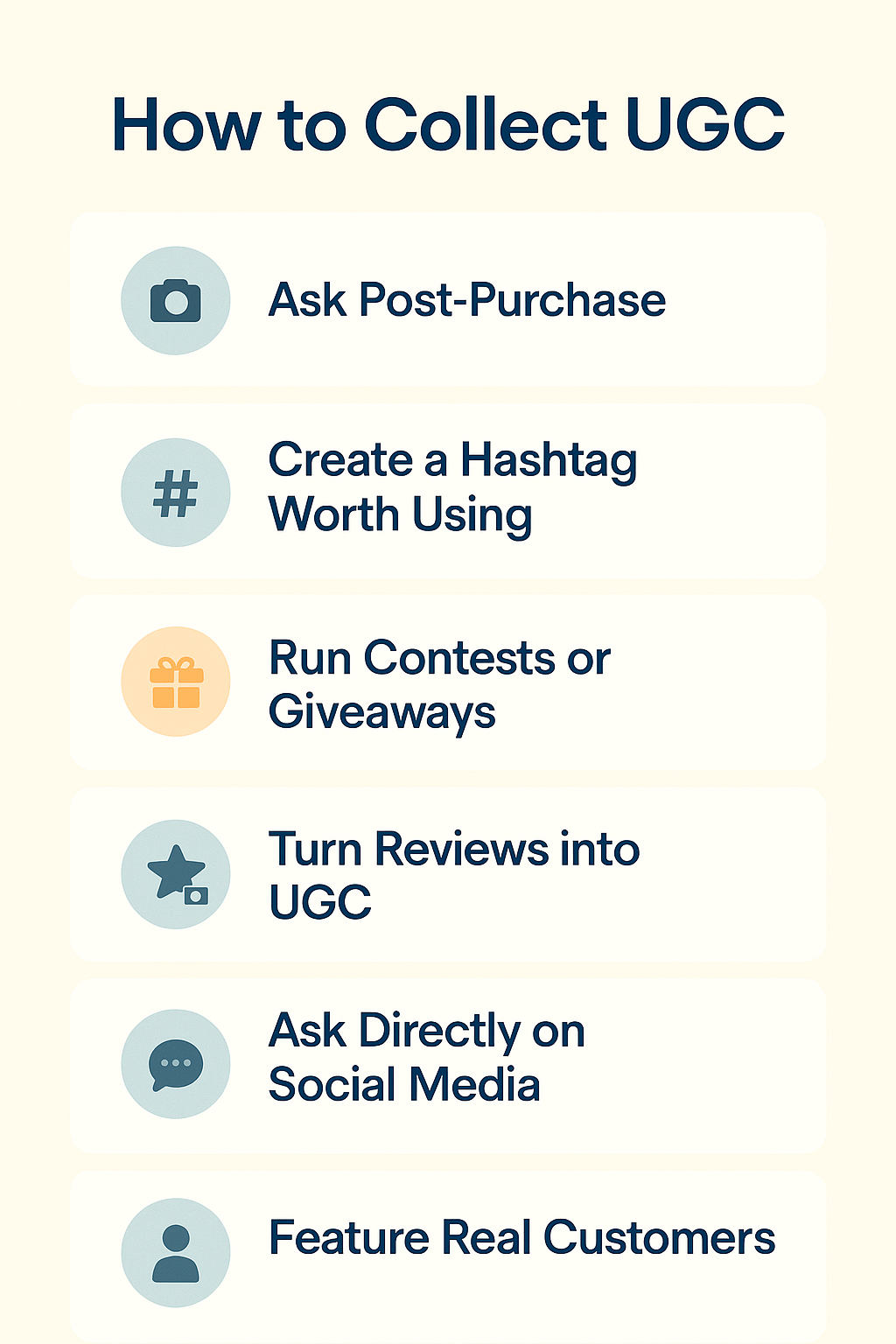
Getting user-generated content doesn’t always mean waiting around for someone to tag you. With the right approach, you can encourage your customers to share their experiences and make it easy for them to do so.
Here are a few simple ways to start collecting great UGC:
1. Ask Post-Purchase
After someone buys from you, follow up with a thank-you email and ask for a review, photo or video. Let them know you’d love to see how they’re using the product, and give them a clear way to share it, like a branded hashtag or upload link. Let them know that you're looking to feature their feedback on the website, as this may give them some incentive to respond.
2. Create a Hashtag Worth Using
Come up with a short, memorable hashtag and promote it across your social channels, packaging and checkout page. It could be something simple; just make sure it’s unique to you and check it’s not already used for something else.
3. Run Contests or Giveaways
Encourage people to share content by offering a reward. Run a giveaway where customers need to post a photo or video using your product, tag your account and use your hashtag. Choose a winner each month and repost some of your favourites to generate a buzz.
4. Turn Reviews into UGC
Many ecommerce platforms let customers upload images with their reviews. Enable this feature if your platform supports it. You can also hand-pick the most helpful or visual reviews to showcase elsewhere on your site.
5. Ask Directly on Social Media
If you see someone tagging or mentioning your brand with great content, don’t be afraid to DM them and ask for permission to use it. A quick message like “We love this — would you mind if we shared it on our site?” is often all it takes. You’ll find that most people will be thrilled to be featured.
6. Feature Real Customers
If you’re doing email marketing or paid ads, consider asking your happiest customers if they’d be open to a short testimonial or video review. Many will say yes — especially if you make them feel like a valued part of your brand.
7 Top UGC Examples from Brands
GoPro – Letting the Product Create the Content
GoPro’s entire brand is built around user content. Their customers capture jaw-dropping moments using GoPro cameras — from mountain biking trails to underwater dives — and post them with tags like #GoPro or #GoProAwards. The best clips are then shared by GoPro across their site, socials and even in product campaigns.
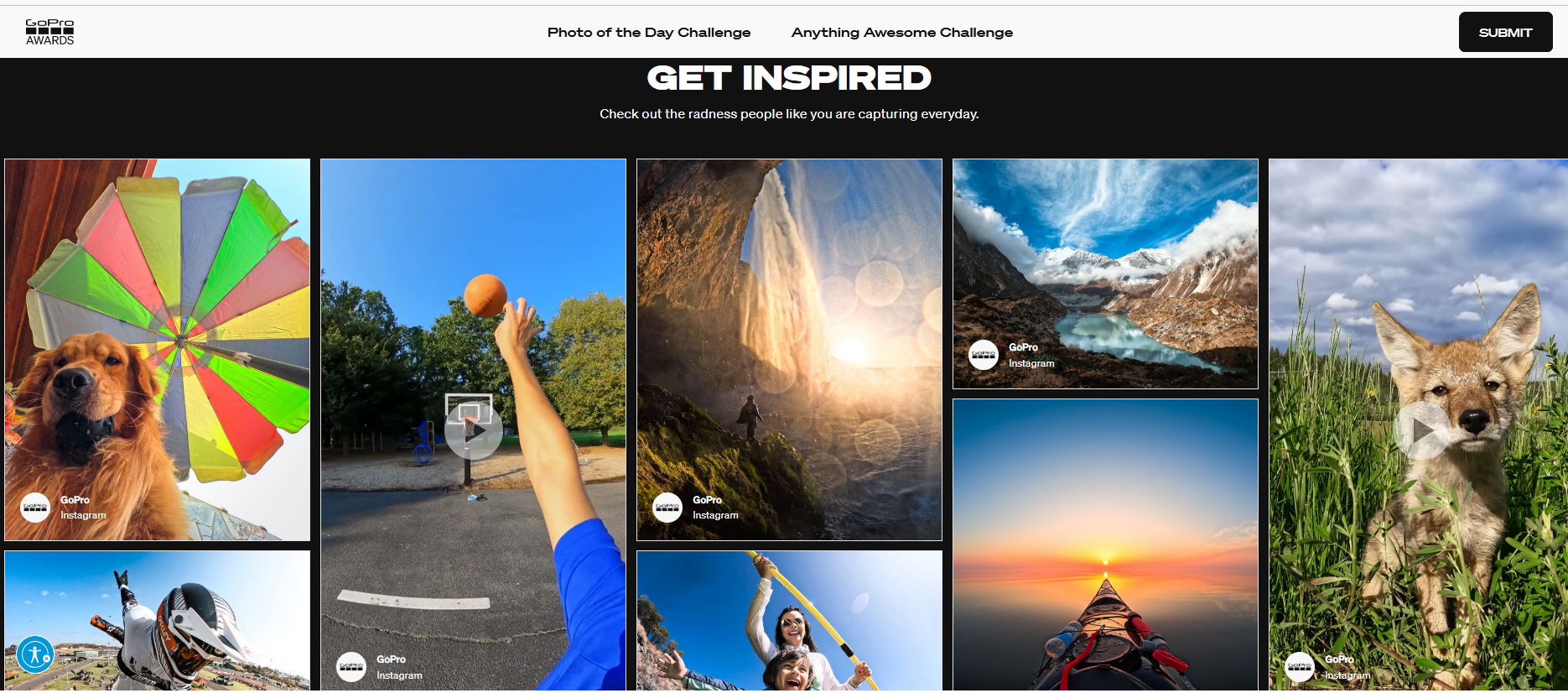
Recently, GoPro launched its fifth Million Dollar Challenge, inviting users to submit their most compelling footage captured with the HERO11 Black or HERO11 Black Mini. The response was overwhelming: over 42,000 video clips were submitted from 126 countries. Ultimately, 55 creators were selected, each receiving $18,181.81 as their share of the $1 million prize. This initiative not only rewarded users but also provided GoPro with a wealth of authentic content to showcase the capabilities of their cameras.

What makes GoPro’s strategy so effective is that the product is naturally designed to generate content. GoPro simply gives their customers a platform for sharing it, and recognition or rewards for doing so.
What you can learn:
If your product is visual, practical or experience-based, UGC can happen naturally. Make it easy for customers to share their content by creating a hashtag or feature wall. And when you reshare it, give credit — people love seeing their content recognised by the brand.
Dunelm – Bringing Products to Life with Customer Photos
Dunelm, a well-known UK homeware retailer, enhances its online shopping experience by incorporating customer-submitted photos into product reviews. This approach allows prospective buyers to see how items like furniture, bedding and decor look in real homes, offering a more authentic perspective than studio images alone.
For instance, a £30 arched window wall mirror on Dunelm's website has garnered numerous five-star reviews, with customers sharing photos of the mirror adorning their gardens and interiors. These user-generated images provide valuable context, helping shoppers visualise how the product might fit into their own spaces.
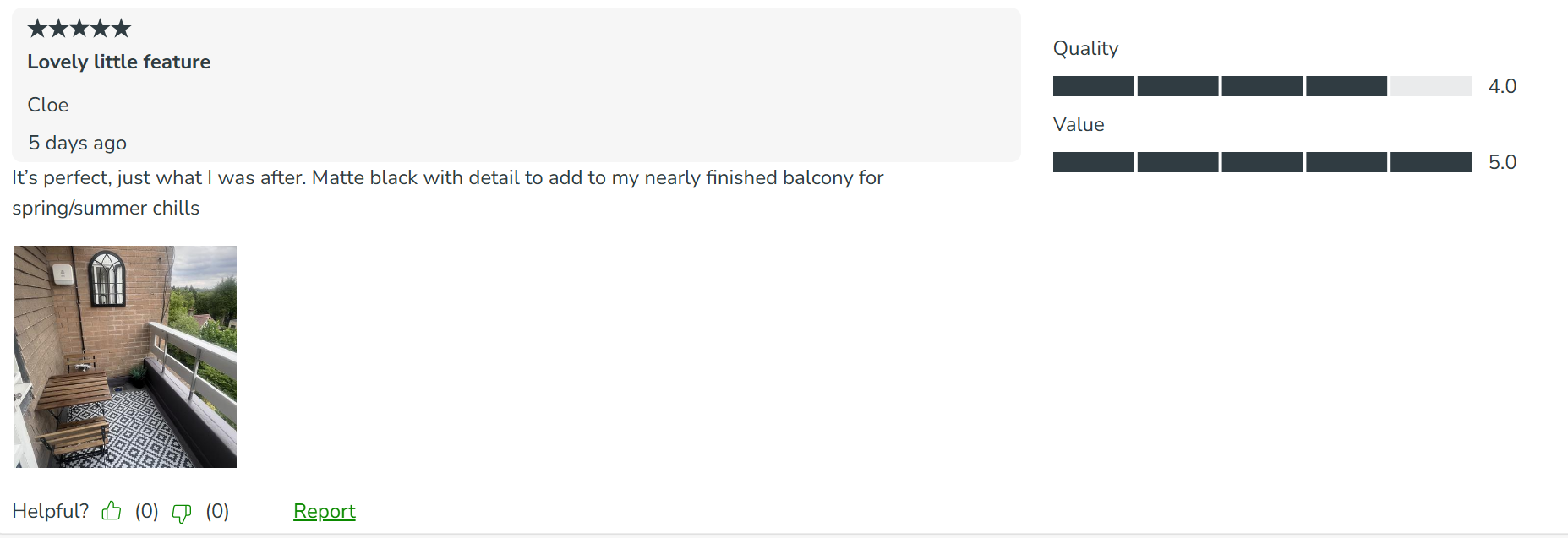
Such was the buzz created around customers sharing their images, the mirror actually made it into several news publications.

Source: Chronicle Live
What you can learn:
Encouraging customers to upload photos with their reviews can significantly enhance the credibility and appeal of your products. By showcasing real-life applications, you provide potential buyers with relatable insights, which can influence purchasing decisions and reduce uncertainty.
Gymshark – Building a UGC Loop with Community
Gymshark doesn’t just collect UGC — they’ve built a brand around it. Their community-driven approach encourages customers, athletes and influencers to share photos and videos using hashtags like #MyGymsharkFit or by tagging the brand directly. The content is then featured across Gymshark’s socials, in email campaigns and occasionally on product pages.
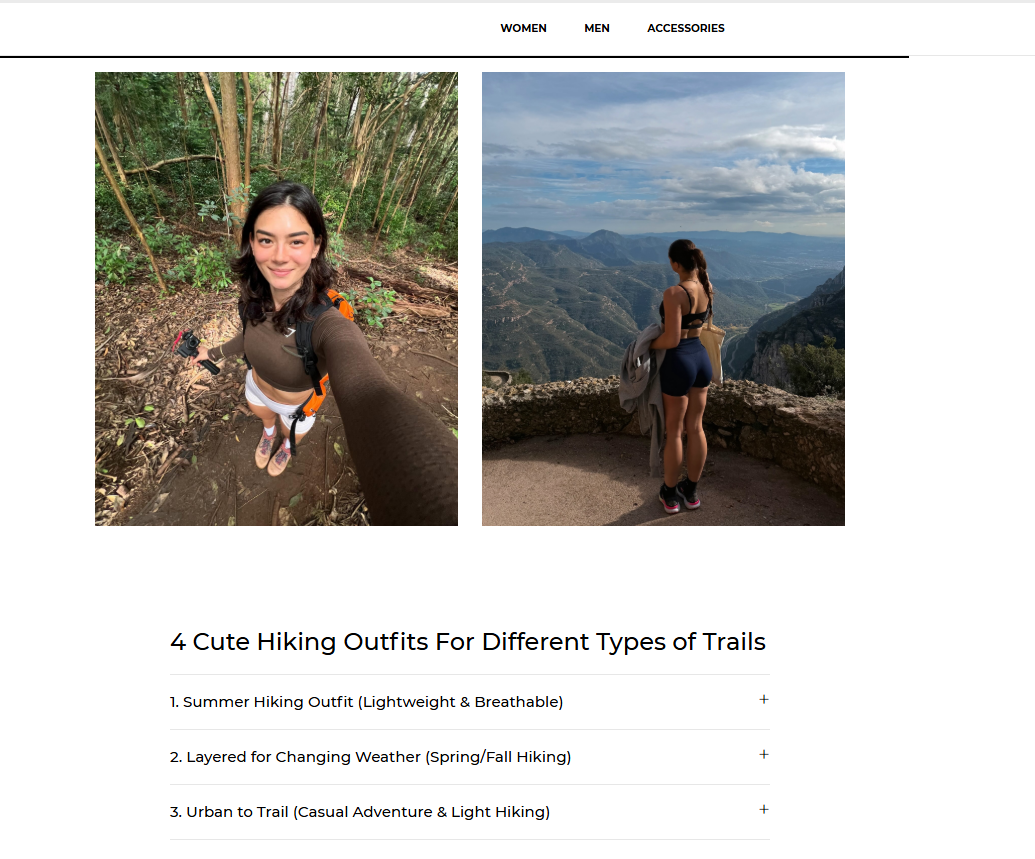
What’s smart is how they’ve created a feedback loop: users share their content → Gymshark reposts it → the content creator gets exposure → others are encouraged to do the same. There’s no need for big influencer budgets — just an active, loyal audience and a platform that recognises them.
What you can learn:
Build systems that make your customers feel seen. Feature UGC regularly on your social feeds, website or newsletters — and credit the creator. When people know they might get reposted by your brand, they’re more likely to tag you again (and again).
Hatsukoi – Turning Kind Words Into Social Proof
Hatsukoi, a UK-based retailer selling Japanese homeware and gifts, features a dedicated testimonials page that brings together thoughtful feedback from happy customers. The comments are genuine, specific and provide positive details about their experience. Customers talk about the beauty of the packaging, the quality of the ceramics and how delighted they were when the items arrived. This type of real feedback is super-useful for displaying on your website.
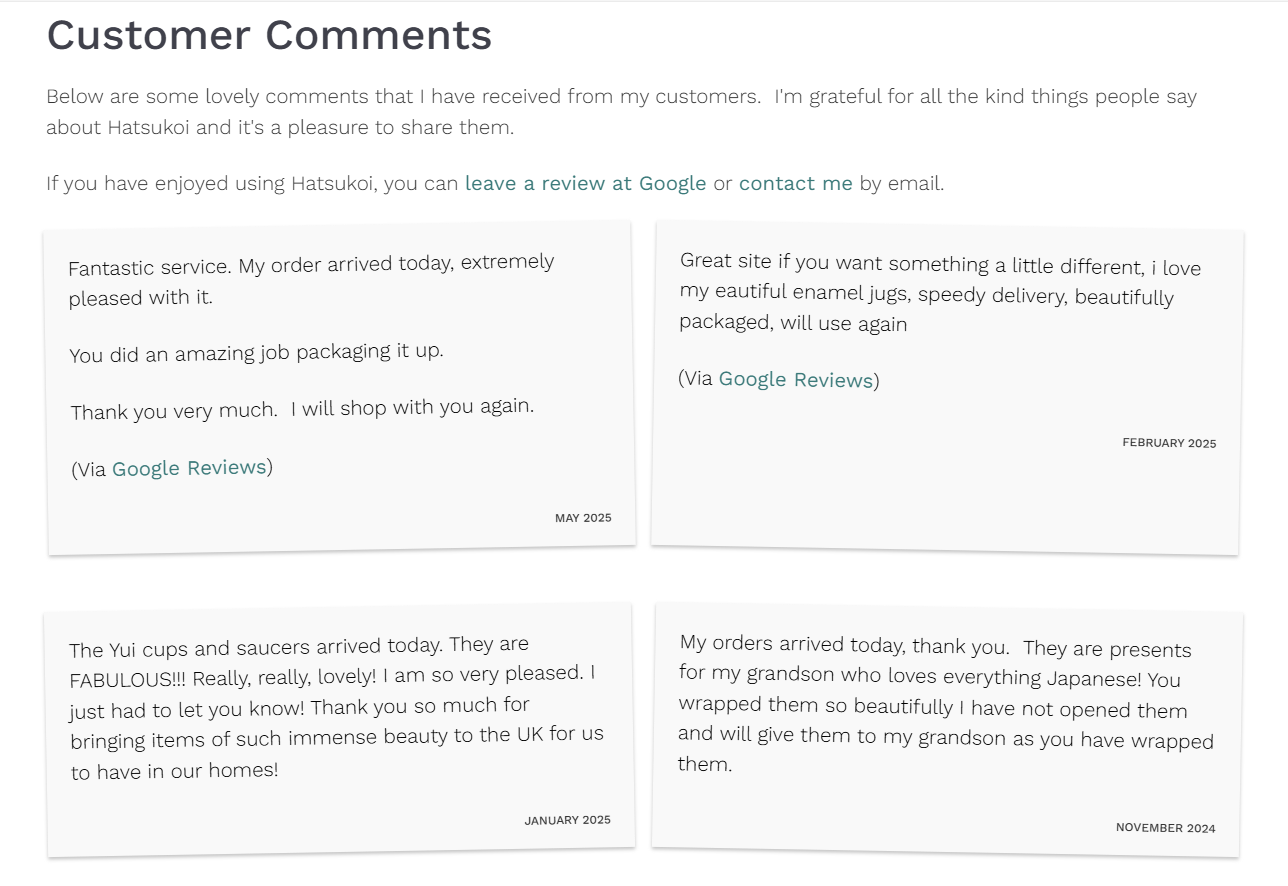
What makes this effective is the tone — it doesn’t feel forced or filtered. The testimonials page reads more like a wall of thank-you notes than a sales pitch, which builds trust with new visitors. It also adds warmth and personality to the brand, something that’s often missing from templated review widgets.
What you can learn:
Don’t underestimate the value of kind words. If customers take the time to send compliments, consider turning that feedback into a dedicated testimonial page. Done right, it gives your brand a human voice and reassures new customers that they’re in good hands.
Estrid – Featuring Real Users on the Product Page
Estrid, the UK-based razor brand, integrates user-generated content directly into their product pages.
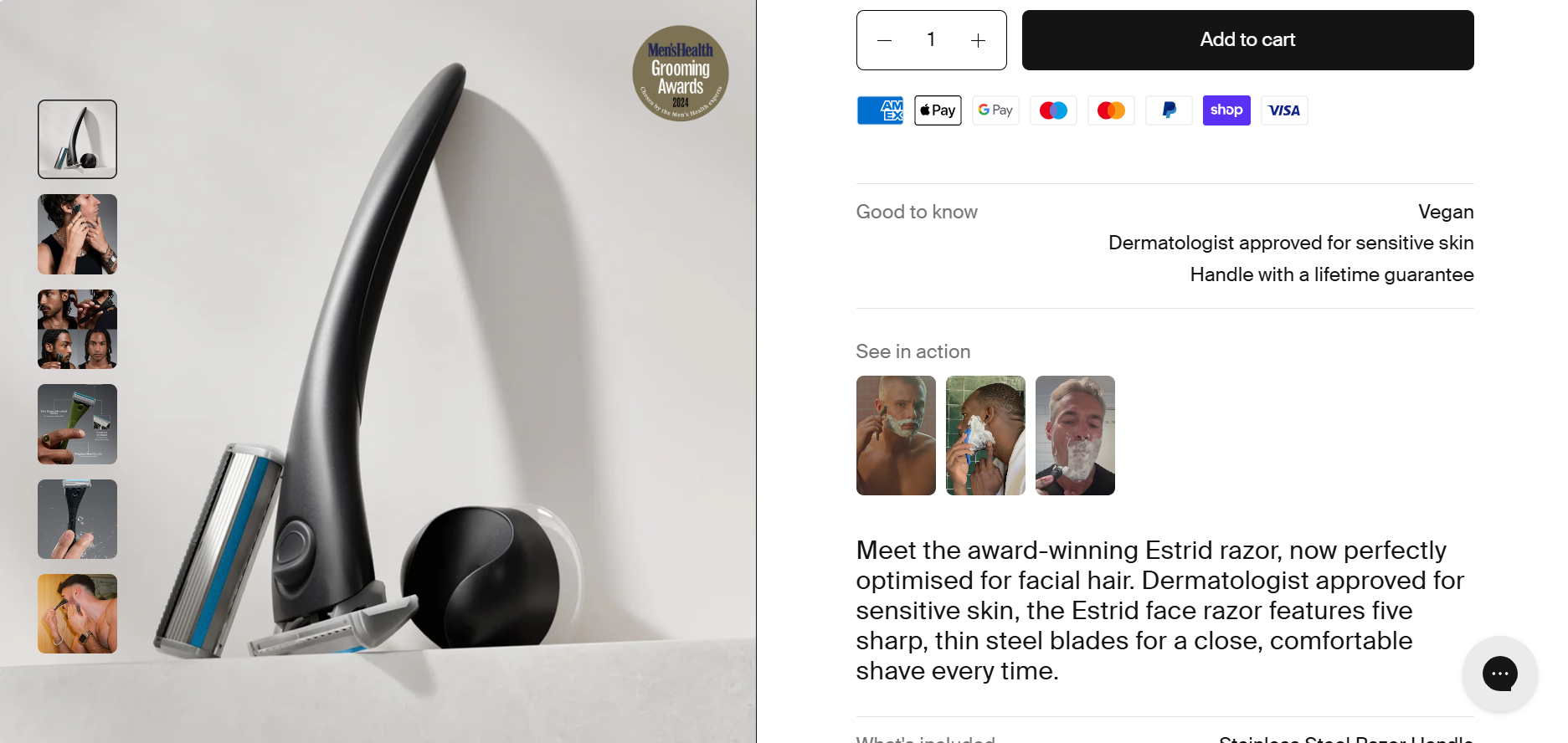
Take the screenshot above: under a “See in action” section, Estrid showcases short, candid video clips of real customers using the razor in everyday settings. No high-gloss ads or polished demo reels — just authentic footage that builds trust, shows the product in use and answers the customer’s unspoken question: “What does it actually look like to use this?”
When a user selects one of the thumbnails, a pop up window expands and the video begins to play.

What makes this so effective is the placement. Rather than letting great content sit on Instagram stories or get lost in a highlight reel, Estrid repurposes it where it matters most — the moment someone’s deciding whether to buy.
What you can learn:
If you’ve got real customers using your product, show it. Short clips or photo reels near the Add to Basket button can help build confidence and reduce hesitation. You don’t need influencers — just authentic footage in the right place.
Rhode – Building Buzz Through Influencer Marketing
Rhode, the skincare brand founded by Hailey Bieber, has rapidly gained attention since its launch in 2022. Leveraging Bieber’s personal reach and a strategic influencer marketing approach, Rhode has effectively utilised user-generated content (UGC) to build brand awareness and trust.
The brand’s marketing strategy includes collaborations with influencers and real customers who share authentic reviews and demonstrations of Rhode’s products on platforms like Instagram and TikTok. These user-generated contents serve as social proof, showcasing real-life applications and results, which resonate with potential customers seeking genuine experiences.
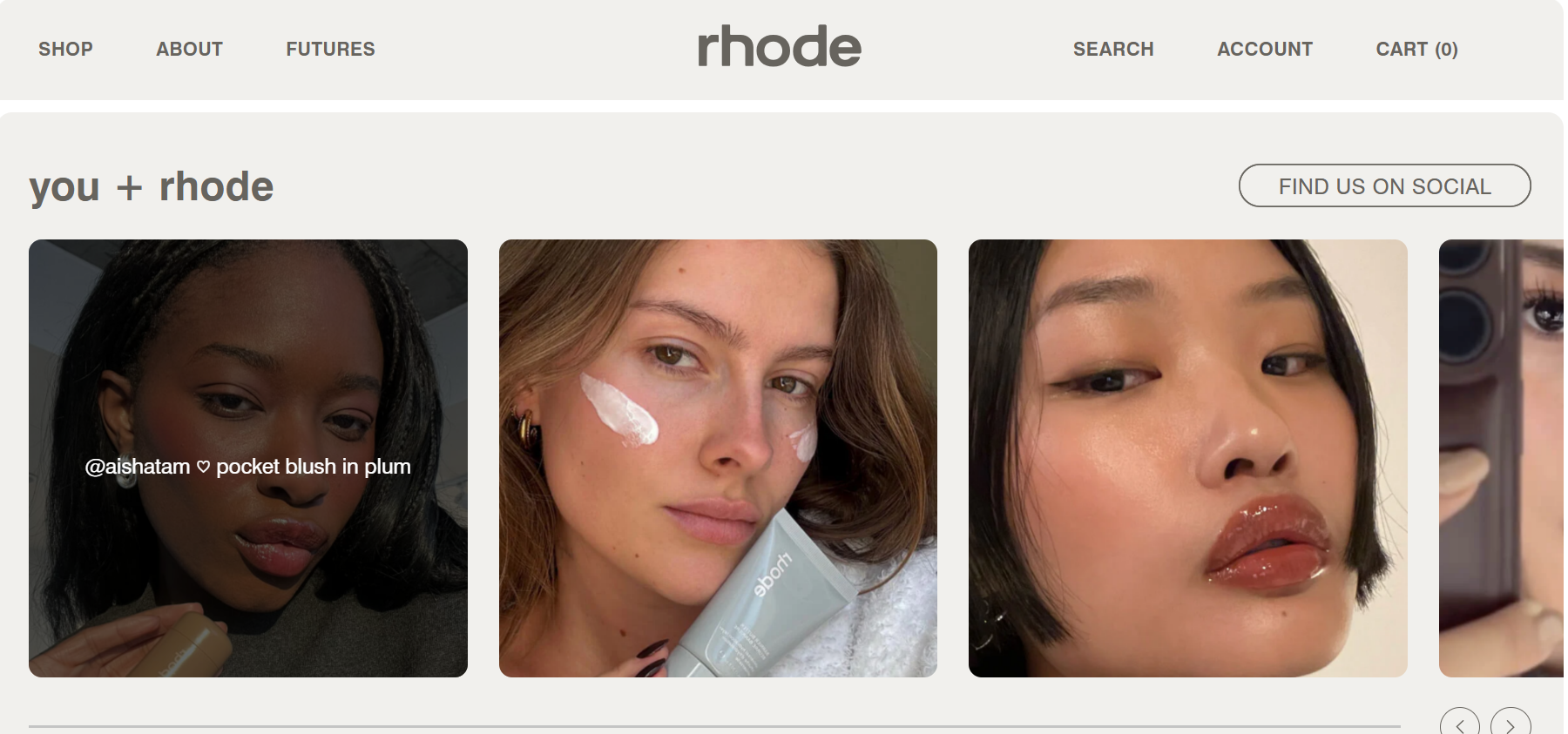
Rhode displays its UCG on a page called ‘you + rhode,’ where user’s tagged content is available to view in a carousel. Rhodes emphasis on minimalist aesthetics and effective skincare solutions has been consistently highlighted by influencers, contributing to the brand’s cultural relevance and appeal among Gen Z and millennial consumers. This approach has not only driven online engagement but also translated into significant earned media value, with reports indicating $248 million in EMV in 2024 .
What you can learn:
Authentic influencer partnerships can significantly amplify your brand’s reach and credibility. By encouraging influencers to share their genuine experiences with your products, you create relatable content that potential customers can trust. This strategy is particularly effective for brands aiming to connect with younger audiences who value authenticity and peer recommendations.
CREATE – Showcasing Real Unboxings on Their Website
Spanish home appliance brand CREATE doesn’t just wait for customers to post unboxing videos — they actively collect and showcase them on their own site.
Through their #CreateSociety page, CREATE features real user-generated content including unboxing videos and also things like casual product demos and lifestyle clips. One example includes a TikTok unboxing by influencer @cristianavidal8, where she opens and sets up a CREATE appliance, giving followers a first-hand look at what it’s like to receive and start using the product.
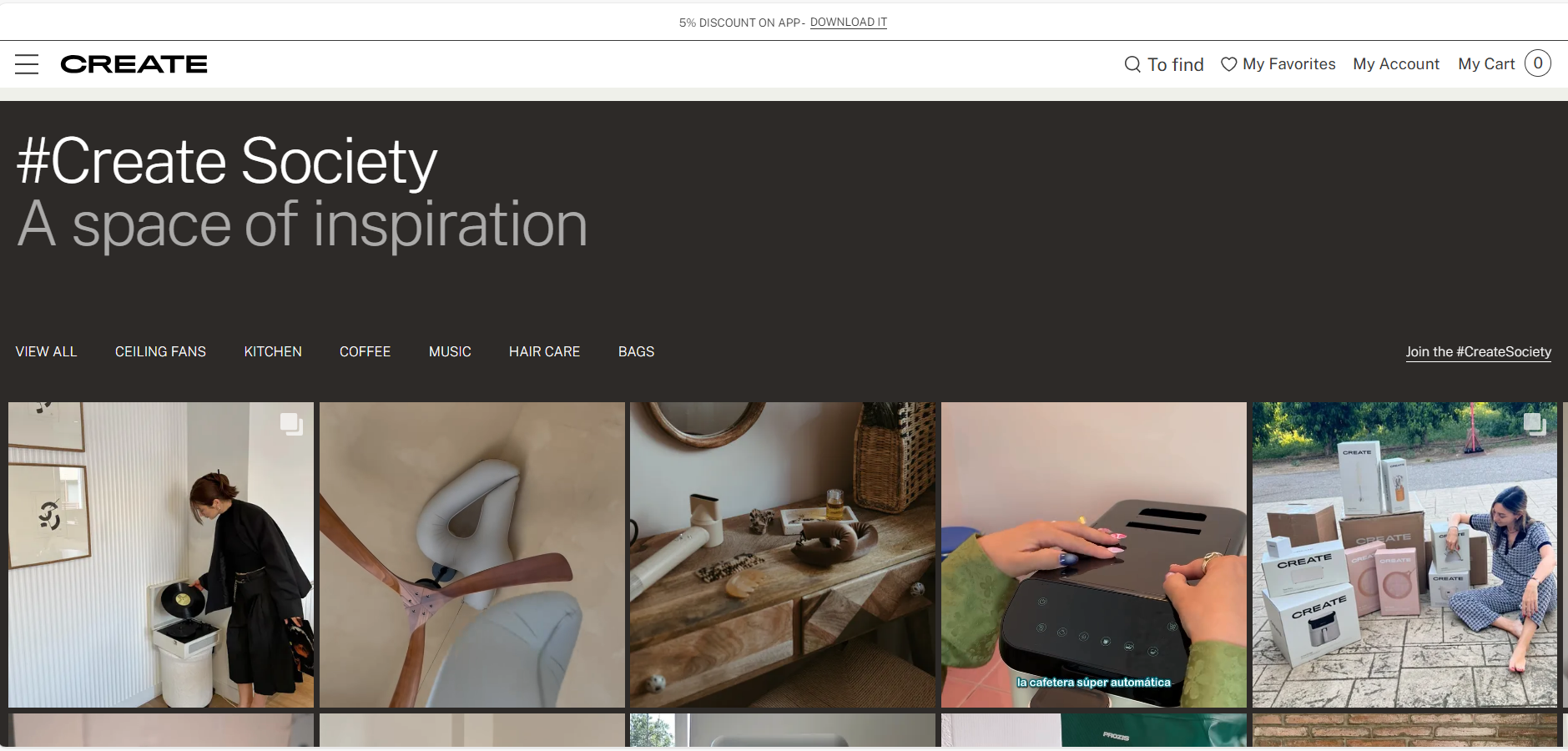
This page turns everyday content into a sales driver. Visitors can watch real people unpack their orders, see how the product is packaged and used, then click through to buy — all in one place. The unpolished, user-first nature of the videos adds credibility and removes friction from the buying process.
What you can learn:
If customers are already filming unboxings, bring that content to your site. Create a dedicated UGC page or embed select videos on key product pages. It reassures shoppers, adds authenticity and makes your store feel more human — all before checkout.
How to Use UGC in Your Marketing
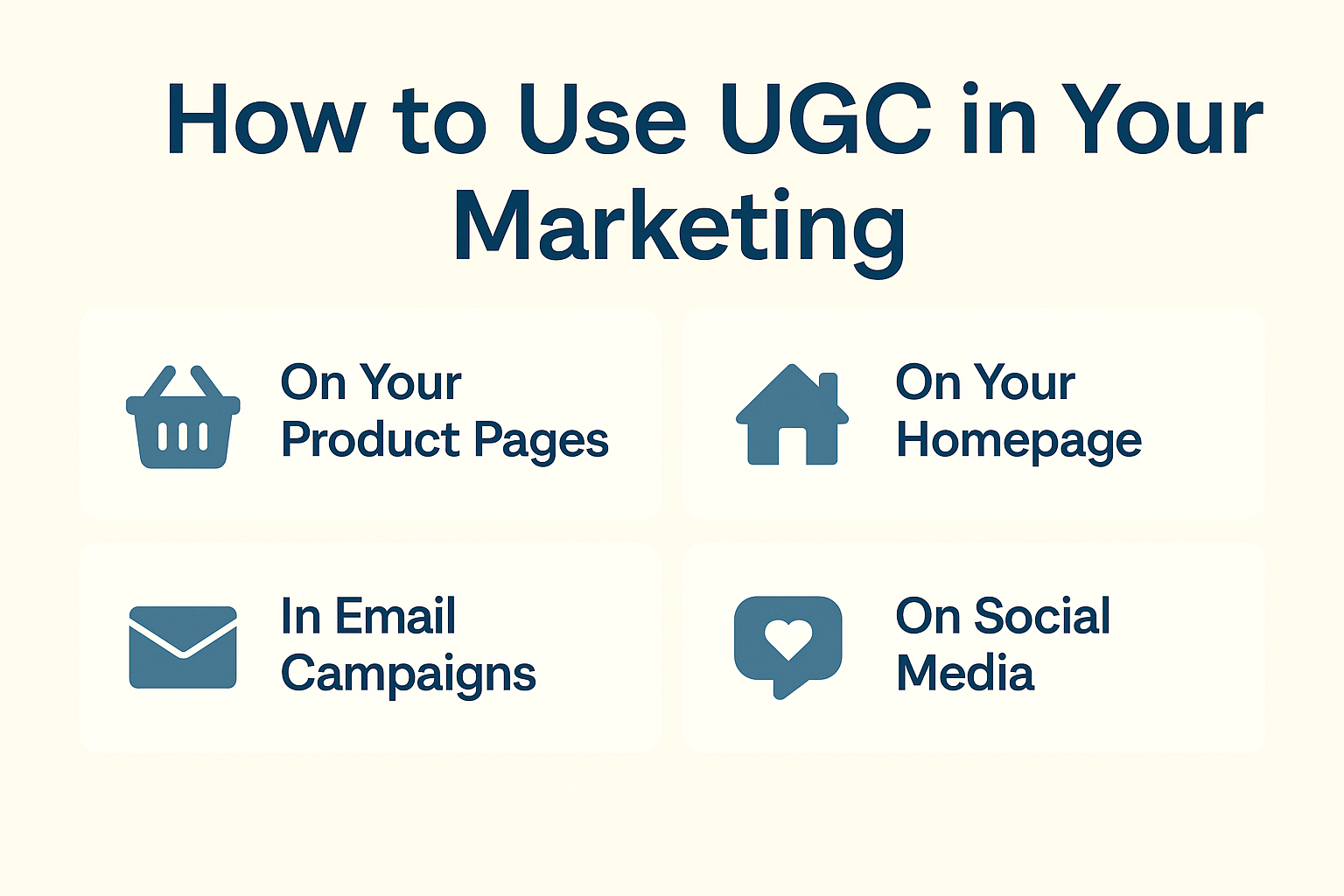
Collecting user-generated content is one thing — but where you place it makes all the difference. To get the most value, your UGC should be seen at the right moment in the customer journey. Done well, it builds trust, nudges people closer to a decision and adds a human voice to your brand.
Here’s how to use UGC effectively across your marketing channels:
On Your Product Pages
This is where UGC does some of its most important work. Things like customer photos, videos or review snippets right where shoppers are deciding whether to buy are recommended. Ideally, place them:
- Near the “Add to Basket” button to offer last-minute reassurance.
- Within image carousels or galleries to sit alongside your own product shots.
- In a “See It In Real Life” section, showing what the product looks like in customer settings.
On Your Homepage
- New visitors often land on your homepage first, so it’s a great place to build trust quickly. Consider adding:
- A section of tagged photos.
- A scrolling carousel of customer quotes.
- A section that highlights your community — especially if you’re running a hashtag campaign.
In Email Campaigns
Emails feel more personal, so UGC fits right in. Whether you’re sending a post-purchase thank you, a promotion or an abandoned cart reminder, try:
- Including short customer testimonials or star ratings.
- Embedding a tagged Instagram photo.
- Adding a quote about a best selling product in a newsletter.
On Social Media
Social media is one of the easiest and most natural places to use UGC, and is often where it starts. Repost content from your customers (with credit) on your site, and use highlights or pinned posts to showcase your best community moments on your social pages. Consider:
- Reposting tagged photos or videos that feature your product in real life.
- Creating highlight reels or pinned posts for your favourite UGC.
- Running hashtag campaigns that encourage customers to share their own experiences.
- Engaging with and commenting on UGC posts, not just resharing them.
Final Thoughts
User-generated content isn’t just nice-to-have. It’s one of the most effective forms of social proof in ecommerce, and it works across every part of the buying journey. When someone sees real people using and enjoying your products, it adds credibility that traditional marketing can’t match.
Whether it’s a short review, a customer photo or a casual unboxing video, UGC shows your products out in the world and invites new customers to imagine themselves doing the same.
And the best part? Collecting and displaying UCG doesn't need to be difficult.
If you’re using ShopWired, collecting and displaying UGC is simple. With built-in tools for gathering product reviews, easy integration with social platforms and flexible content blocks for showcasing UGC across your site, ShopWired makes turning your customers into content creators feel effortless.
Want to build more trust, boost conversions and give your brand a more human touch?
Start your 14-day free trial today and see how ShopWired can help.